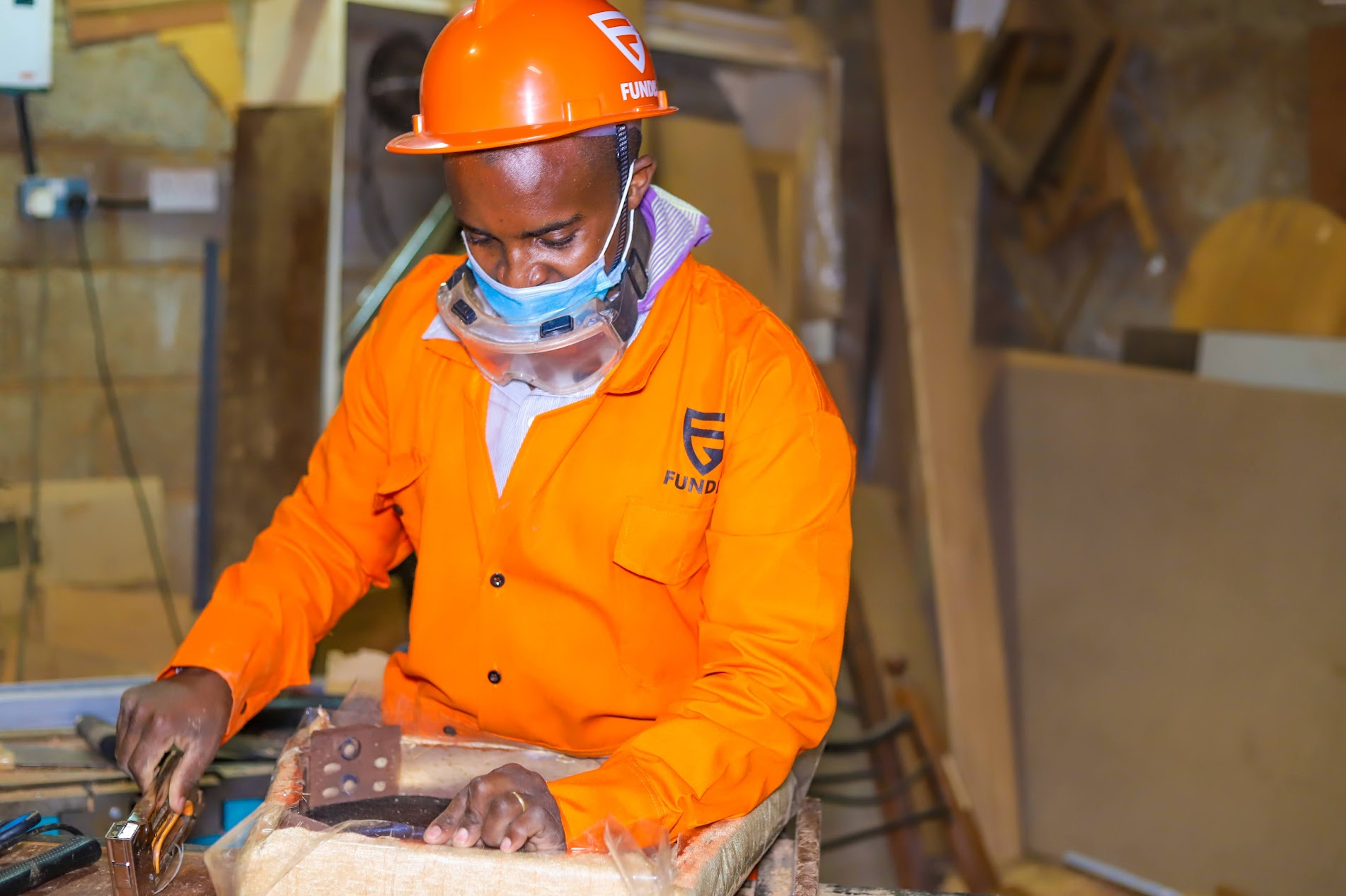
Whether you're fixing minor breakages, doing custom work or just getting some fresh furniture designed for your living or workspace, carpenters are needed regularly. However, finding and hiring them in Kenya can be a nightmare. Where and how do you find a competent carpenter who will show up on time, who will show up with the right tools, and who will show up ready to get your job done satisfactorily?
Here are 9 things to consider when hiring a carpenter whether for a domestic or commercial project in Kenya.
Get Recommendations (the duck test)
Have you ever heard of the saying that if it looks like a duck, swims like a duck, and quacks like a duck, then it probably is a duck? The saying is true when it comes to finding and hiring a carpenter in Kenya. Whether for repairs, installations, maintenance, or large projects, ask around from friends, family, and even online communities if anyone knows a good carpenter who could get your job done. It’s a basic starting point especially if you’re new in an area. Whereas recommendations can be erroneous, they can be very reliable if you’re talking to the right people. There are many carpentry works with cross-cutting features. Relying on the recommendation of a project owner similar in any way to yours can go a long way in getting the right carpenter. You can also rely on career identity platforms like FUNDIS that assess artisanal skills, verify skilled trades professionals by talking to customers served, and enable them to digitally show their qualifications, experience, skills training, ratings, and completed projects. It’s like the same word-of-mouth recommendations digitised reliably for your viewing.
Check Portfolios of evidence
For carpenters without profiles on platforms like FUNDIS, you can request to see sample works done in the past. Most carpenters will have smartphones and should be able to show photos of projects they have done. Some carpenters keep traditional photo albums that can serve the same purpose. Be sure to ask them for contacts of the owners of the projects you have viewed in the portfolio so that you can collaborate on what the carpenter says with their past employers before making the final decision. Portfolios of evidence are also helpful in gauging the nature of projects a carpenter has handled in the past. It’s a good pointer into whether they have the right skills to get your job done or not
A carpenter’s availability is key
Like most skilled trades professionals in Kenya, a majority of carpenters are informal day workers. They operate by scouting for available jobs. They could have a job today and the next day they don’t. Before settling on a carpenter, consider whether they took longer to arrive than would be reasonably expected. This could mean that they are possibly on another job already and they intend to multitask that project that they may already be working on alongside yours. In an attempt to get all the jobs done simultaneously, some often get compromised. You want to be sure that you’re not risking yours being the one that ends up compromised.